You have probably seen Mux named as the video API developers reach for, and for a trust question it is close to the easy case: is it real, and will you regret building on it? Mux is real and it is not going anywhere. It was founded in 2015 by the people behind the Video.js player, it delivers billions of streams a month, and it runs the video inside products you have used, Patreon, Substack, TED and Spotify's tooling among them. It is not going to fall over under load. The risk is not that it is a scam. It is that Mux is a very different kind of product from a VSL player, and buying it expecting a marketing tool is where the regret comes from.
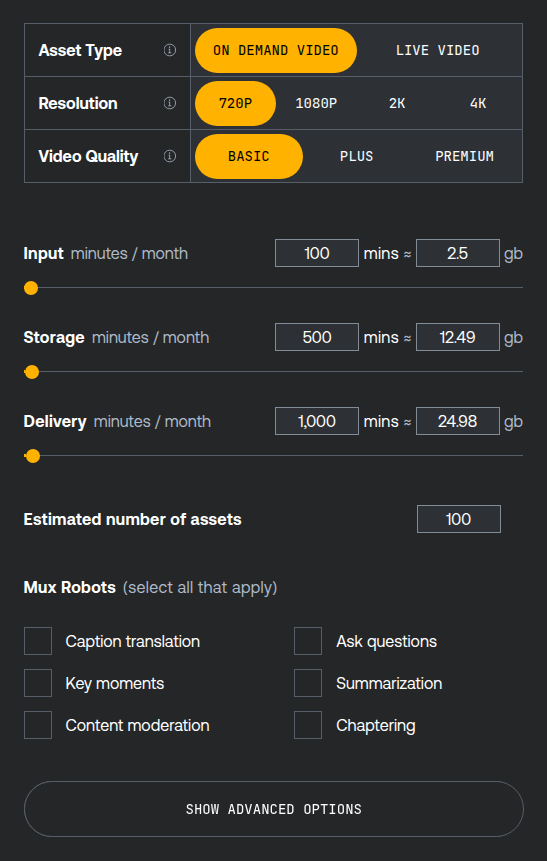
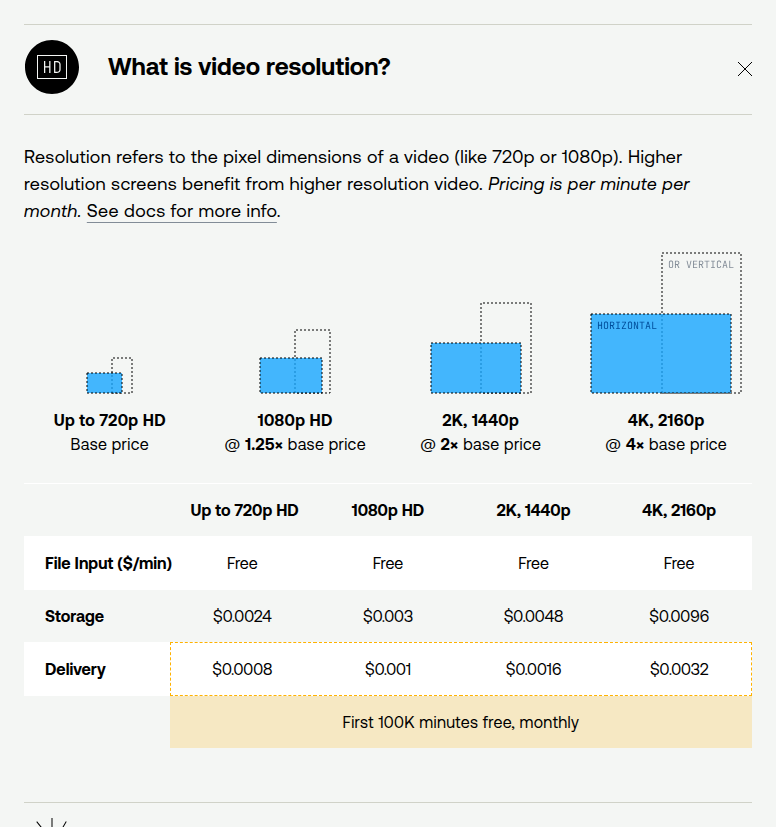
Mux is video infrastructure. Through one clean, well-documented API it takes your upload, encodes it just in time, stores it, streams it live over RTMP or SRT, and delivers it worldwide through a free player or your own. The part reviewers praise most, after the docs, is that Mux Data, the engagement and quality-of-experience analytics, is included free on every plan rather than sold as a separate product. Billing is usage-based and priced per minute of video: input is free, you pay for minutes stored and delivered, and the first 100,000 delivery minutes each month cost nothing. For a developer building a video feature into a product, a course platform or a community app, that is a genuinely good pipe with genuinely good measurement.
Where a direct-response marketer has to be careful is the conversion layer, because Mux has none of it, and there is no no-code way to add one. There is no split test scored on sales, no watch-depth pixel fired to Meta or Google, no revenue attribution and no marketing dashboard to build a funnel in. Mux is driven through an API and your own code, so a non-developer will be stuck at the first step. On a paid-traffic sales letter those missing pieces are the whole game, so Mux fits only if you are a developer willing to build the conversion tooling on top of it. This review is about telling infrastructure and a VSL player apart, and about the two cautions, cost against a cheaper pipe and thin, prepaid-credit billing, that even happy Mux users raise.