You have seen Panda Video recommended, probably by someone selling a course or running sales videos, and the question is the honest one: is it real, and will you regret moving an offer onto it? The short version is that Panda is real and established, and for selling courses and running VSLs it does more than most hosts. The risk is not that it is a scam. It is that you will be buying with far less independent proof than you are used to.
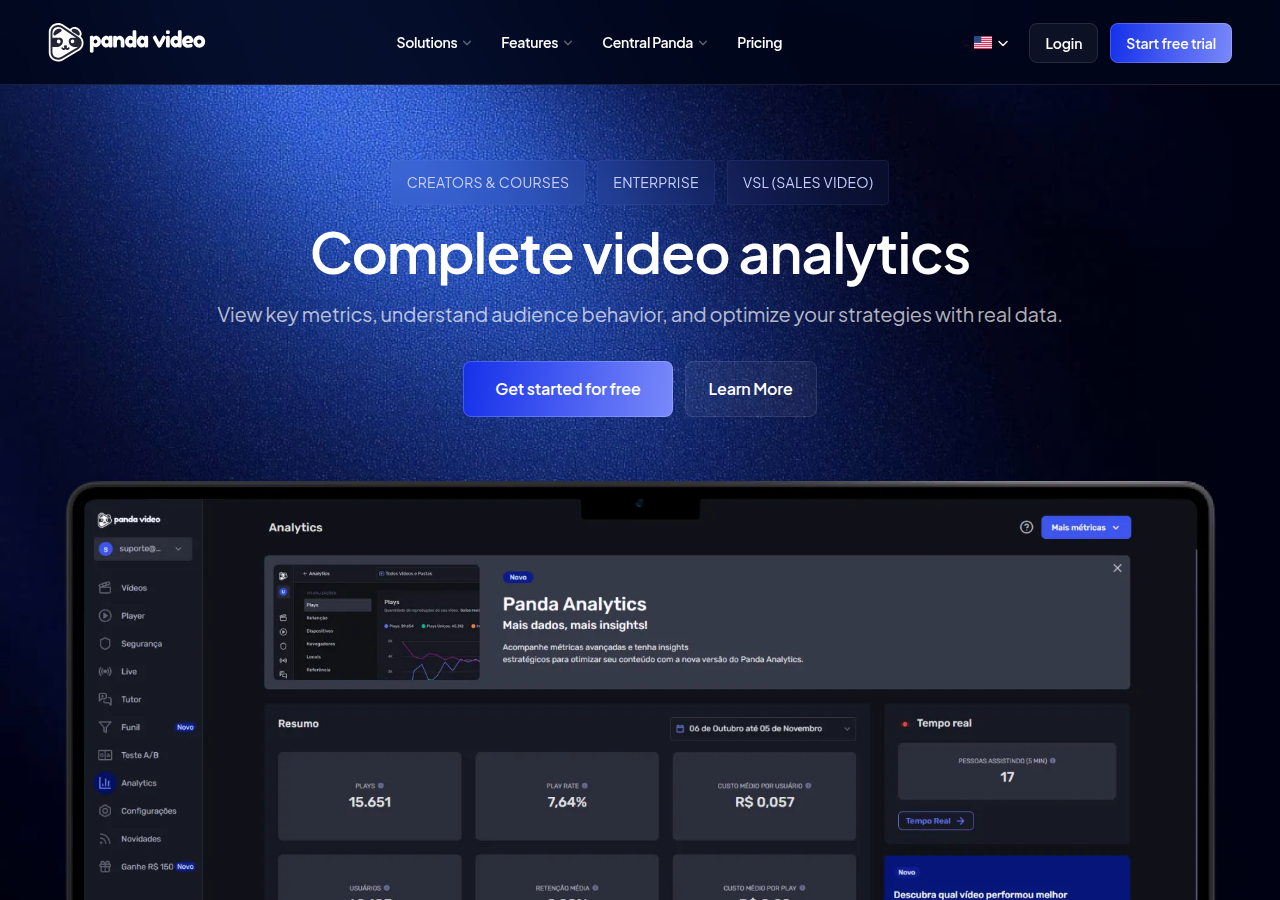
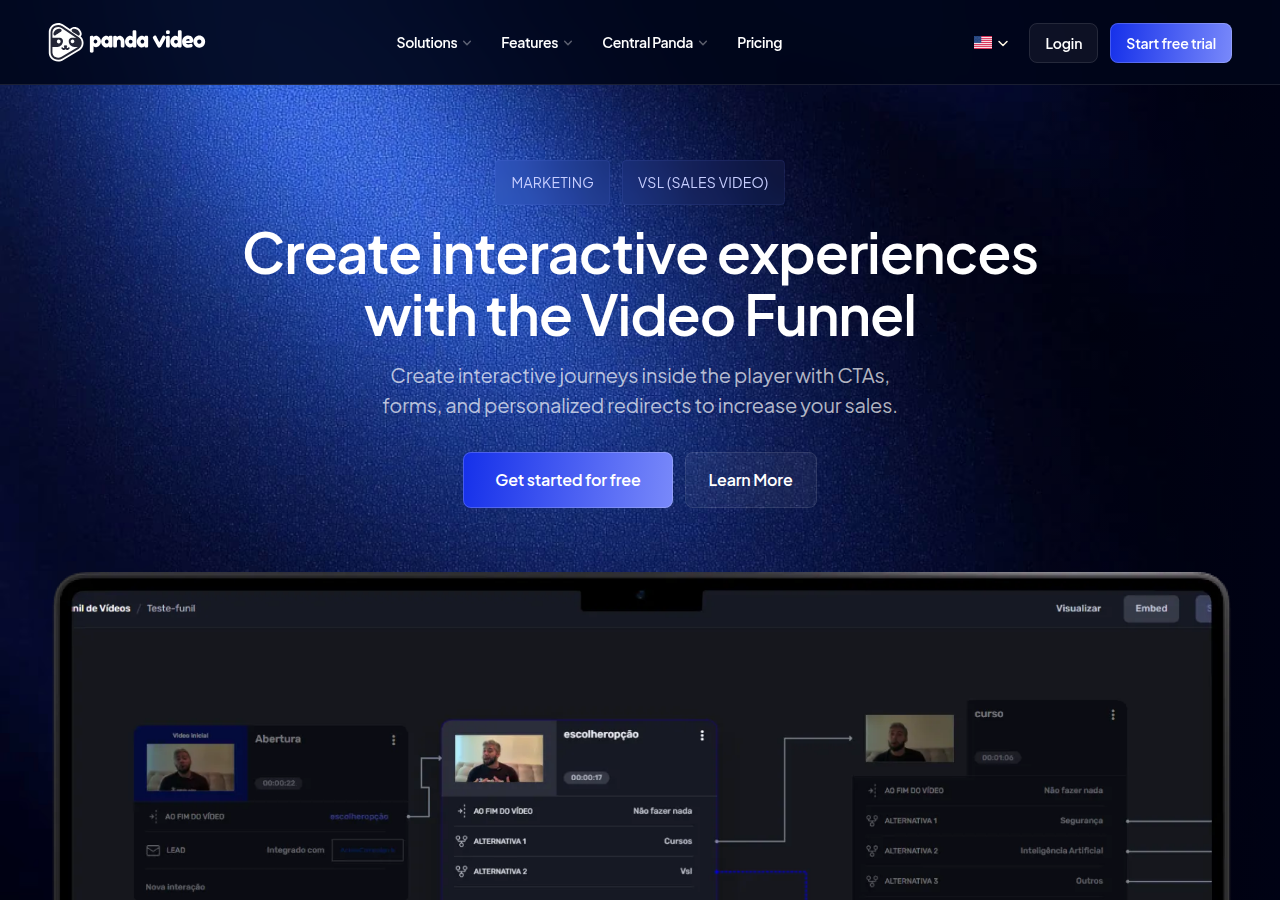
Panda Video is a Brazilian video platform built for two audiences that overlap: course creators who need to stop their content being downloaded, and direct-response marketers who need a player that converts. It hosts and transcodes your video on AWS, plays it back through a fast, ad-free, brandable player, and layers on the tools those buyers want. On the conversion side that means smart autoplay, a dummy progress bar, in-player CTAs, A/B tests and Meta and Google pixels. On the protection side it means DRM watermarking, anti-download and allowed-domains locking. It also bundles AI dubbing, an in-player tutor and auto-generated subtitles. Pricing is flat and public, from $17.90 a month, and a Chrome extension imports a Vimeo library in minutes.
Where a paid-traffic marketer has to be careful is proof, on two counts. First, Panda does not score a split test on sales or attribute revenue, so it optimises attention and clicks, not the sale itself. Second, and this is the trust catch, its independent English-language track record is almost empty: G2 and GetApp both list it with zero reviews, and it is biggest in Latin America, so most of what you can read is either the vendor's own testimonials or Portuguese-market word of mouth. This review says what the vendor's pages confirm, what the thin outside evidence shows, and what to pilot before you trust it with a revenue offer.